
Catastrophe Modeling: The Complete Professional Guide (2026)
How catastrophe models simulate low-frequency, high-severity events into loss distributions insurers and reinsurers actually use in 2026.
Property insurance covers physical assets against damage and the income lost while they are repaired: commercial property forms, valuation methods (replacement cost, actual cash value, agreed value), coinsurance, and exclusions. This section covers policy structures, valuation disputes, and the market forces — from catastrophe exposure to construction costs — repricing property coverage.
How catastrophe models simulate low-frequency, high-severity events into loss distributions insurers and reinsurers actually use in 2026.
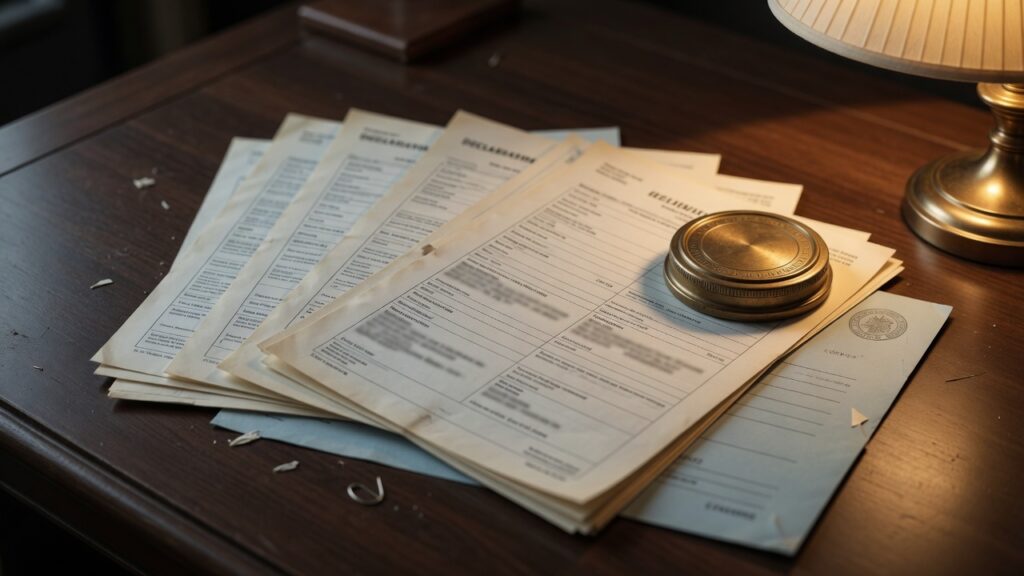
How do insurance carriers investigate, evaluate, and resolve property claims? Inside the adjuster’s playbook, from FNOL to settlement and fraud screening.
Insurance claim denied or underpaid? Learn when to use a public adjuster, appraisal, or DOI complaint — and how bad-faith remedies hold carriers accountable.
Claims management closes the gap between policy limits and recovery—from FNOL and documentation through carrier adjustment, appraisal, and bad faith remedies.
ISO CGL: A = BI/PD occurrence, B = listed personal/advertising offenses, C = limited medical payments. Most CG 00 01 forms are occurrence, not claims-made. 8 Sept 2026.

ACV = replacement minus depreciation (or broad evidence in some states). RCV pays full replacement after documented repair. Agreed value is a pre-loss total-loss number. 8 Sept 2026.