
How Insurance Policy Forms Get Approved: State DOI Filing Explained
Prior approval, file-and-use, or use-and-file: how state departments of insurance approve policy forms and why the same carrier’s form differs by state.

Prior approval, file-and-use, or use-and-file: how state departments of insurance approve policy forms and why the same carrier’s form differs by state.

The 1943 New York Standard Fire Policy still anchors property insurance: ACV valuation minimums, cancellation rules, and the appraisal clause explained.

FEMA Region 6’s September 30, 2026 release obligates $126.4 million in Public Assistance and $15.1 million in mitigation. Carriers should read it as a duplication-of-benefits and late-worksheet problem, not new capacity.
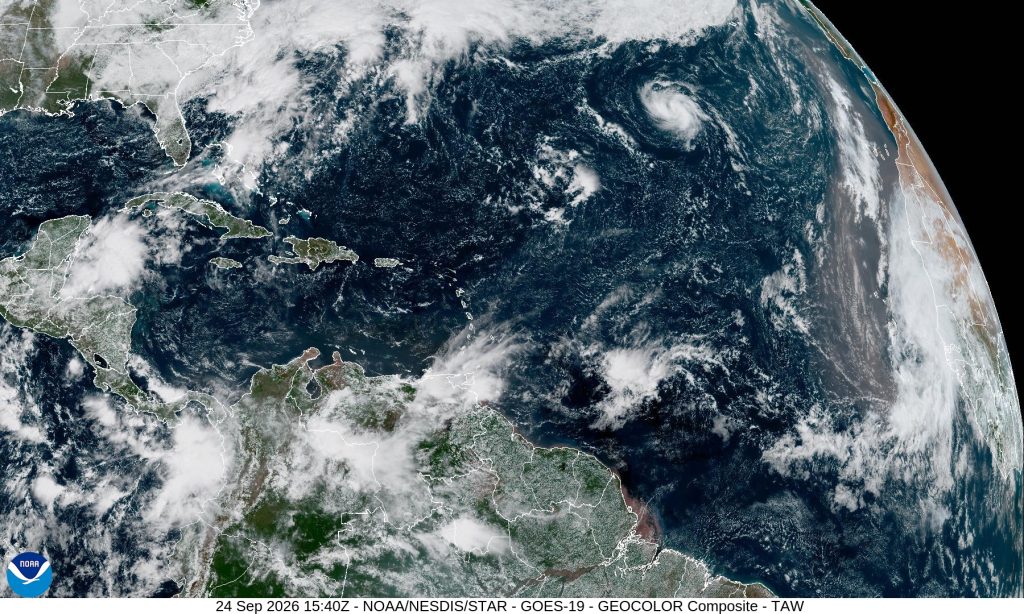
Through Sept. 21, 2026 the Atlantic posted ACE 6.3 — 92% below normal — and zero hurricanes since 1914’s last such date. Treaty and deductible language still assume a storm.

Updated October 6, 2026. The BSR/IICRC S320 public comment period is still open through October 26, 2026 — 25 calendar

IFMA Pulse shows 45% of facilities managers adding ESG provisions to contracts. For carriers and brokers, that means more climate data, cyber requirements, and Scope 3 pressure flowing into underwriting.

Institutional catastrophe risk intelligence briefing for corporate risk managers, property underwriters, and reinsurance brokers for Tuesday, August 25, 2026. NOAA NHC tropical tracking, severe convective storm loss aggregation, and commercial property underwriting takeaways.

The NAIC climate survey is filed and the SEC climate rule remains in rescission limbo. What insurers should bank from the 2026 disclosure cycle.

Complete guide to reinsurance treaty placement mechanics, 1/1 renewal negotiations, hours clauses, net retained lines, sliding-scale commissions, and treaty vs facultative risk transfer.
Compare catastrophe modeling platforms (Moody’s RMS vs Verisk Touchstone vs Cotality), core metrics (AAL, OEP, AEP, TVaR), and secondary peril underwriting discipline.

Insurance carriers face Scope 3 disclosure requirements reaching into their claims supply chains. The Restoration Carbon Protocol provides per-claim carbon data infrastructure that replaces spend-based proxies for carrier ESG reporting.

Insurance regulators are issuing simultaneous guidance on climate risk disclosure, AI underwriting oversight, and cyber insurance standards. The compliance burden for carriers and brokers has never been more complex.